Everyone loves a good LED strip to add light in that special spot in your home.
LED strips are available in many forms to suit almost any taste or application, and they are really cheap and good these days.
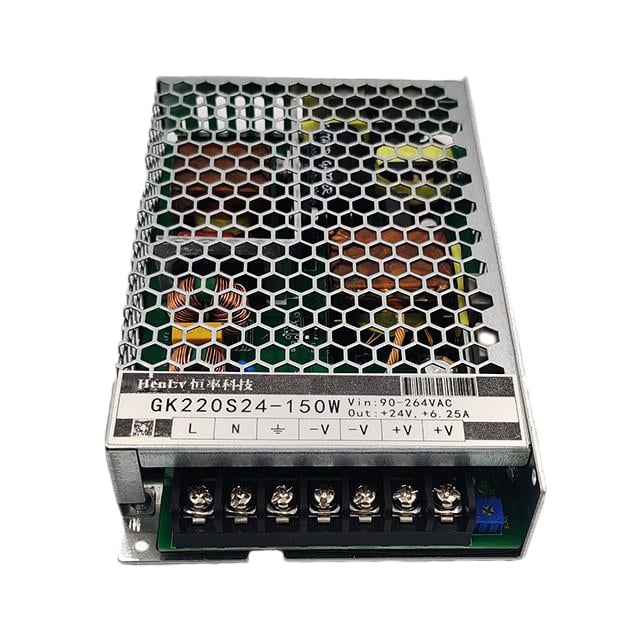
Powering these is a simple matter of buying an AC to DC power supply, with the output voltage and power matching the LED strip - cheap and easy to find.
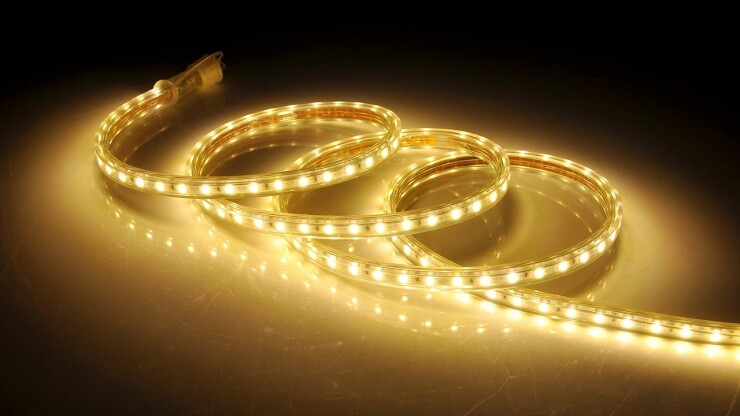
Things get more complicated when you start considering how to install this stuff- especially if you want to dim the lights, and control them from a remote location - which is almost mandatory for most applications.
There are many ways to accomplish this, but most add significant cost and complexity to the simple concept mentioned at the start.
The most expensive part is usually installing the wiring, and this gets really painful if you are trying to retrofit this hardware into an existing lighting circuit, you inevitably need to add more wires and spend A LOT more money…
Unless… of course, you went for the wireless IoT controller thingie or the cheap Chinese dimmer with the IR remote control - all of which implies subtle, annoying compromises.
It’s my personal philosophy to avoid all that IoT home automation stuff, it just adds layers and layers of complexity, and when it stops working, you are in for a hellish troubleshooting session. Not to mention all the security problems associated with hanging this crap on your network!
When your friends come over to house sit, they cannot turn the lights on without calling you 5 times to finally figure out how to download the app to control the system.
The IR remote sort of works - unless you cannot place the receiver box within line-of-sight in the room, and let’s not forget to change the battery, oh and WHERE did you see it last?
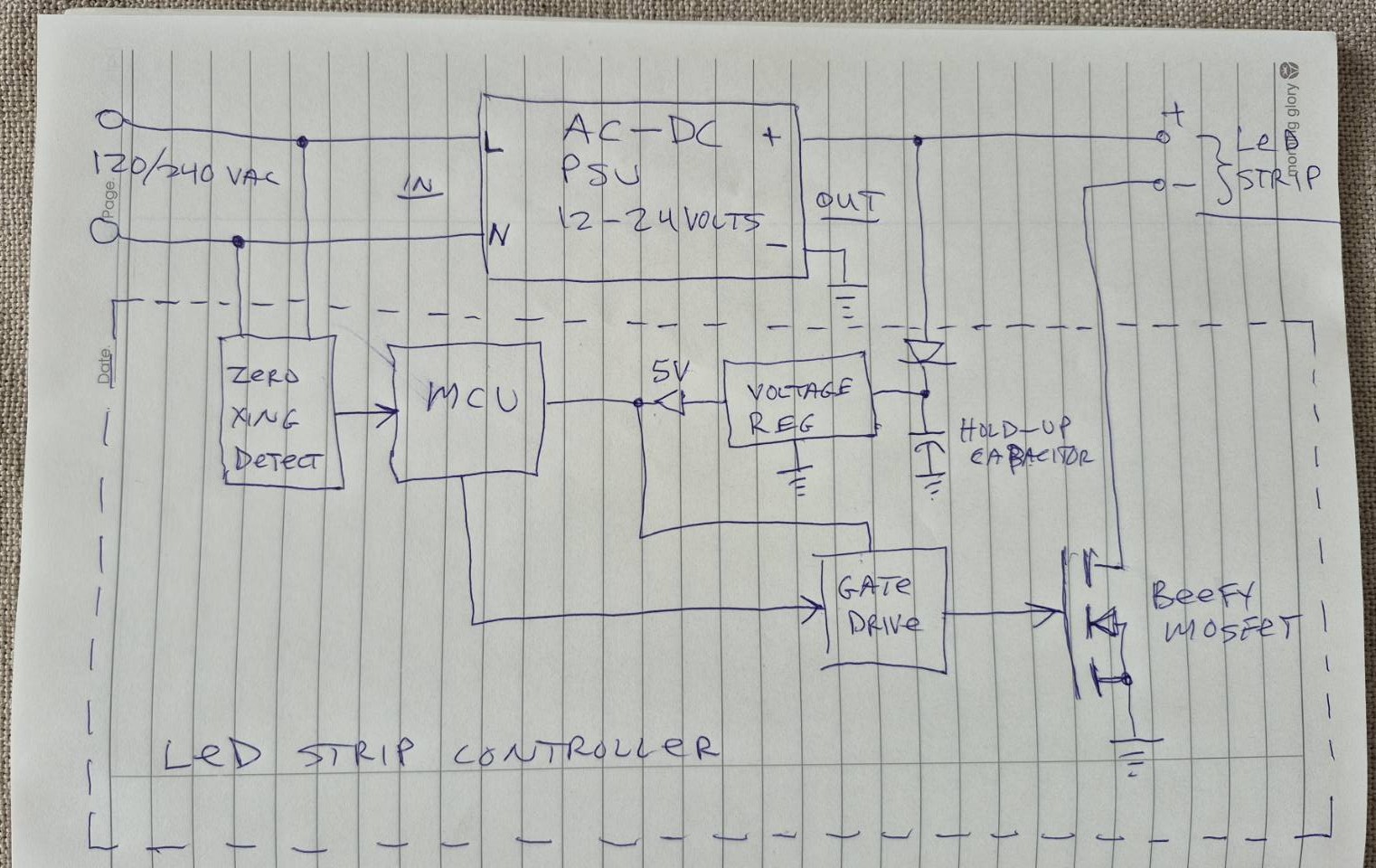
Here is my simple idea-
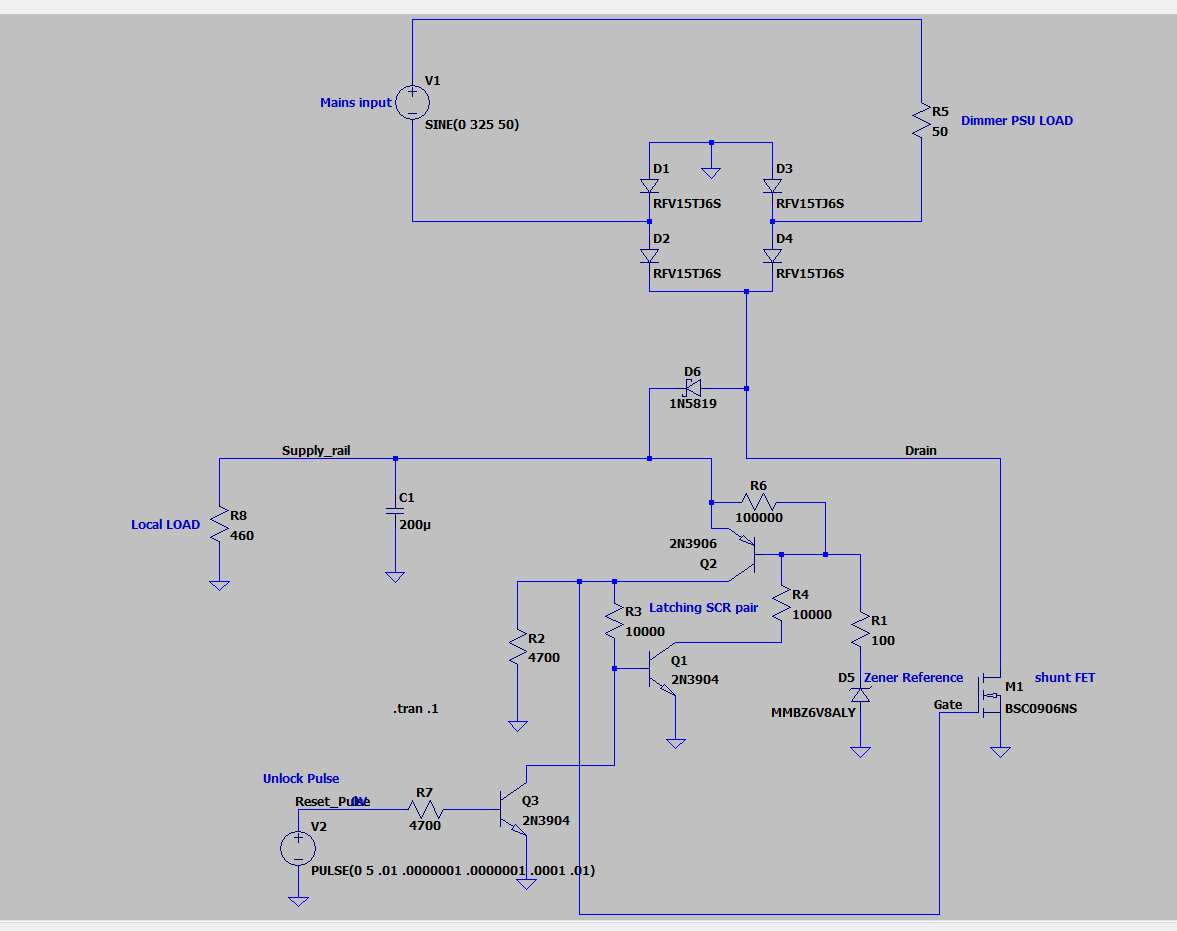
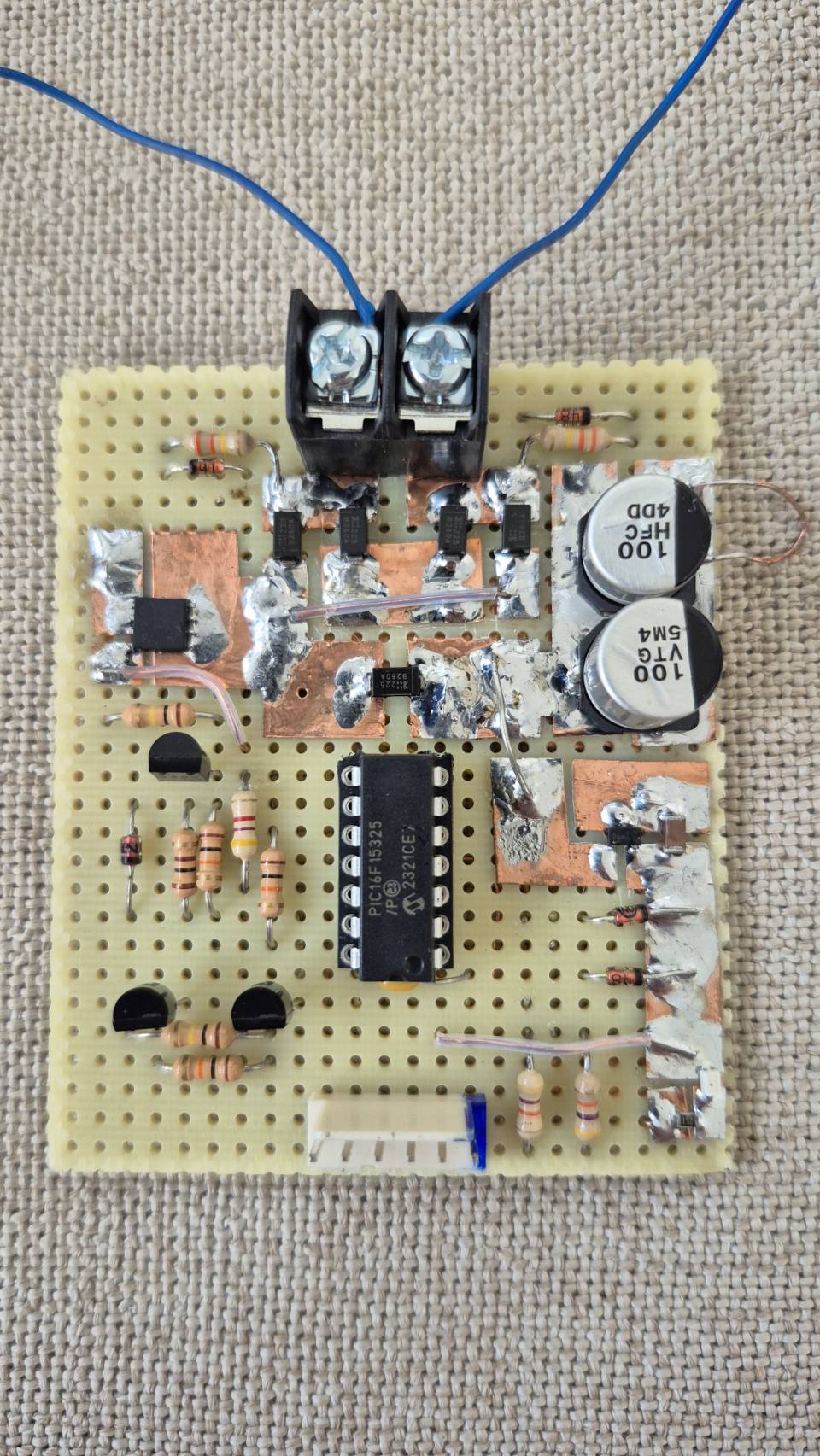
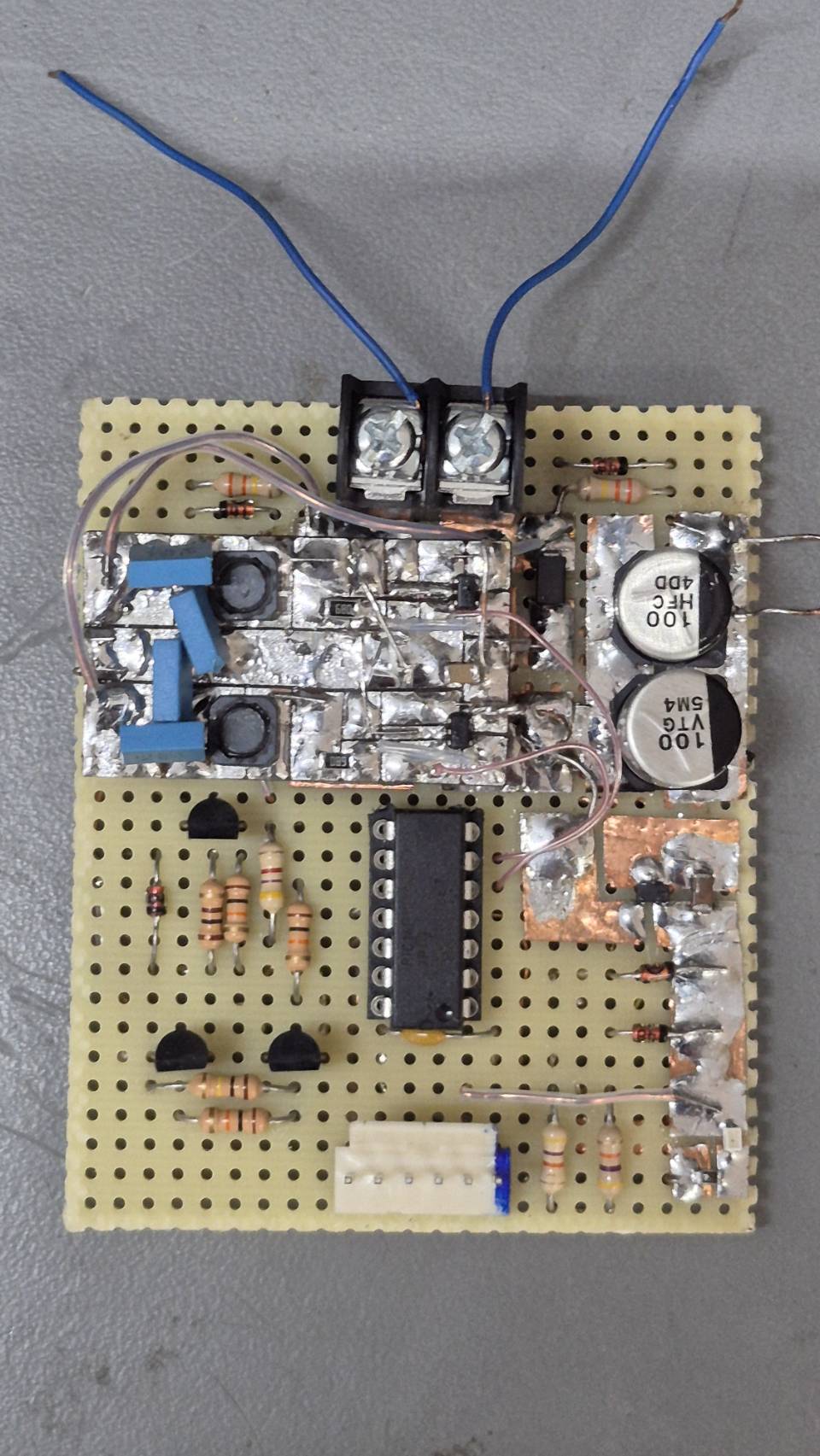
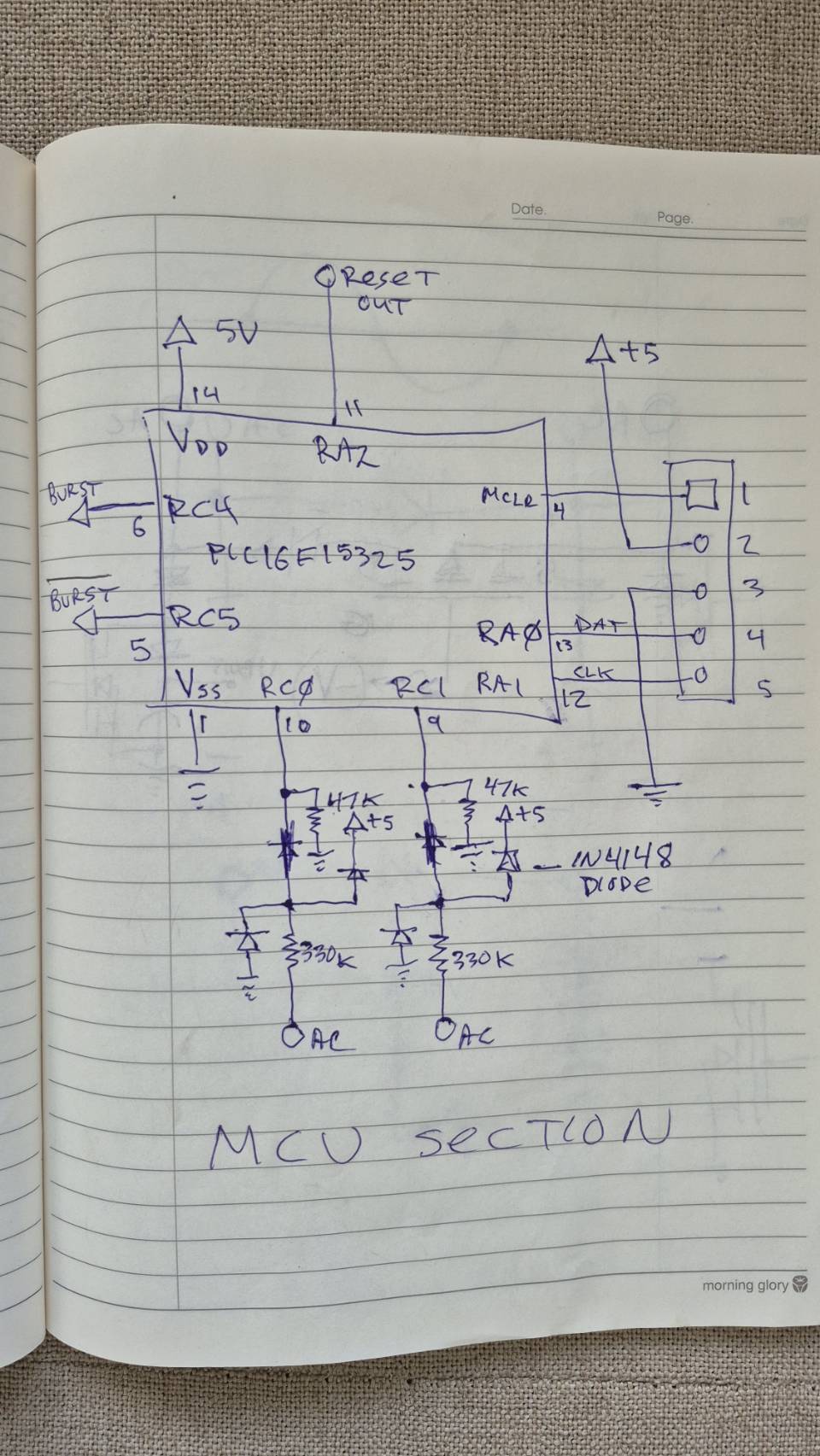
This little board sits with the PSU, it’s powered by the DC output.
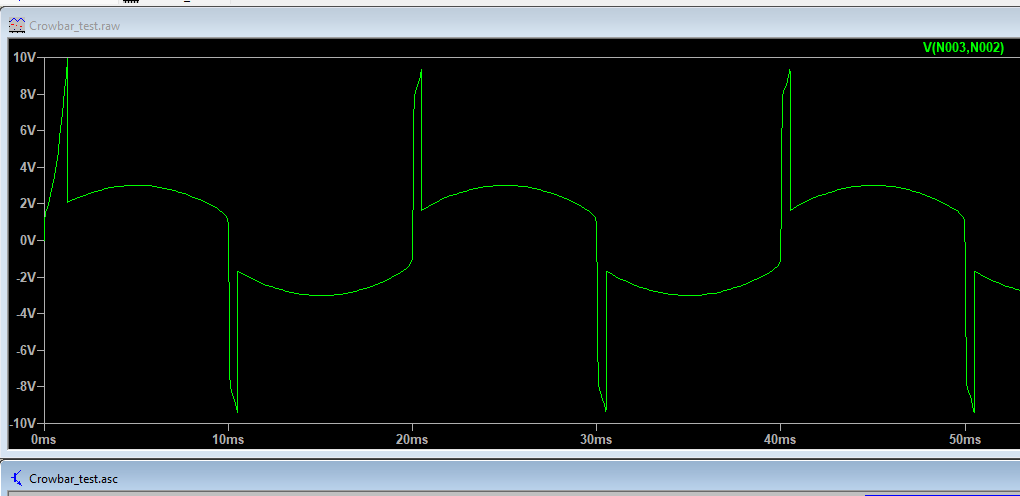
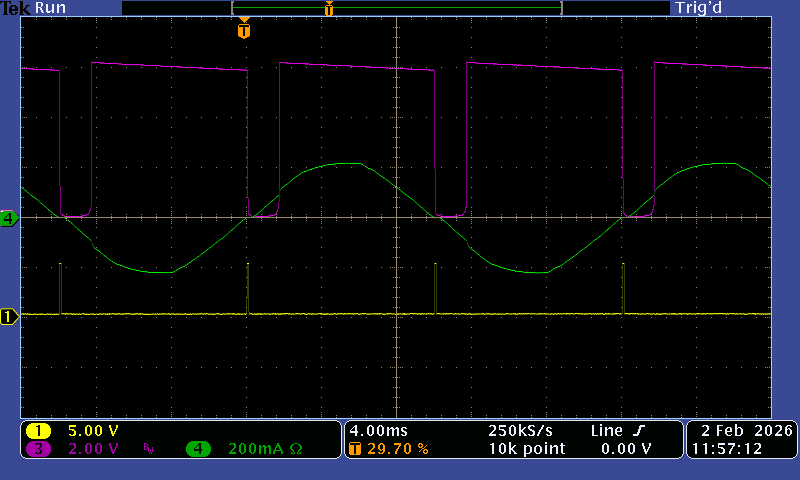
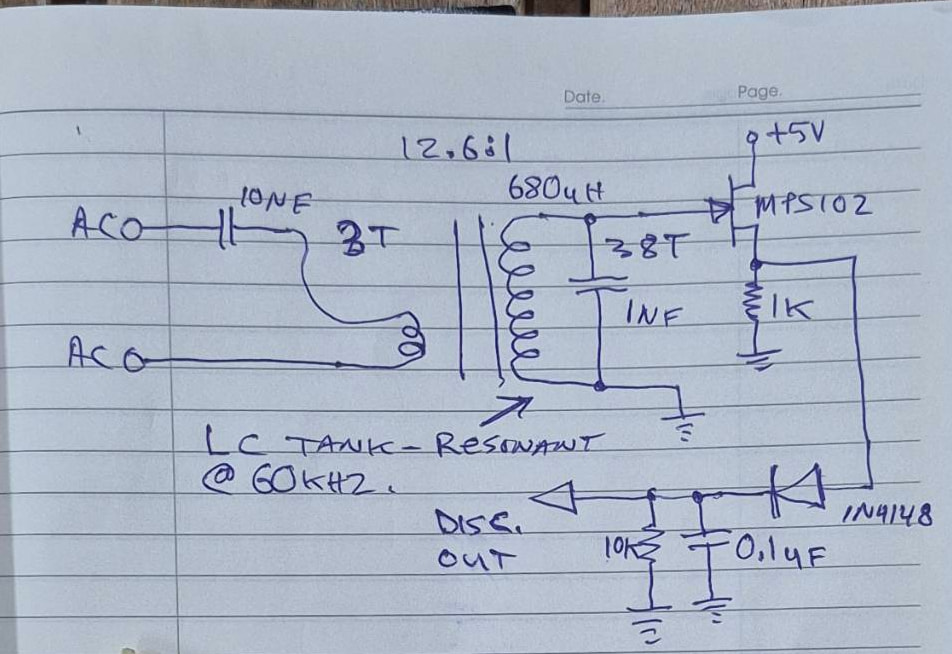
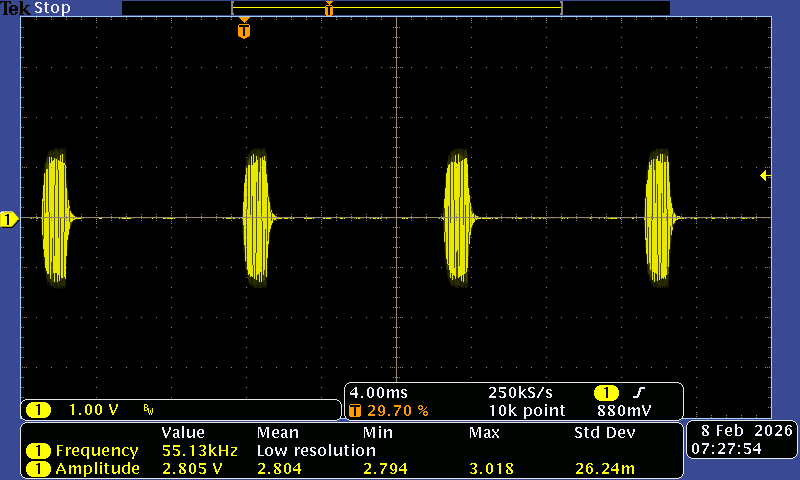
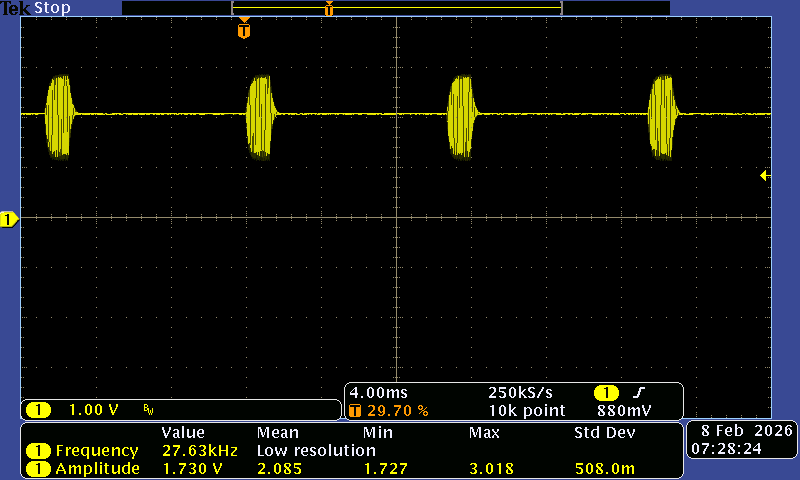
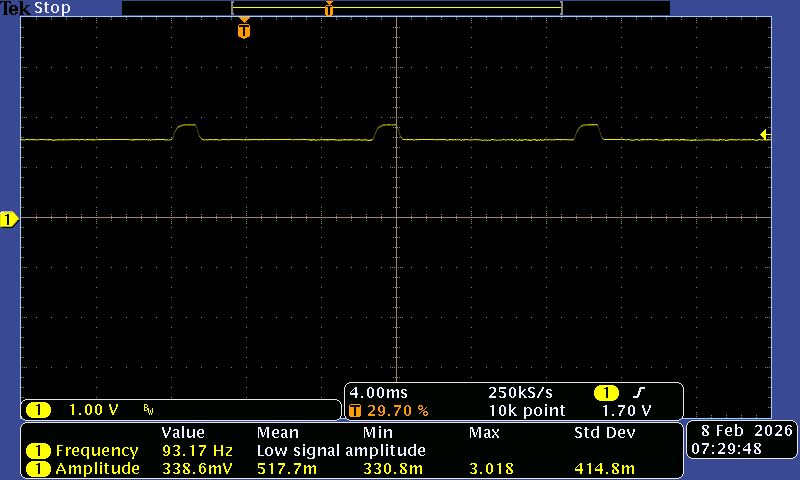
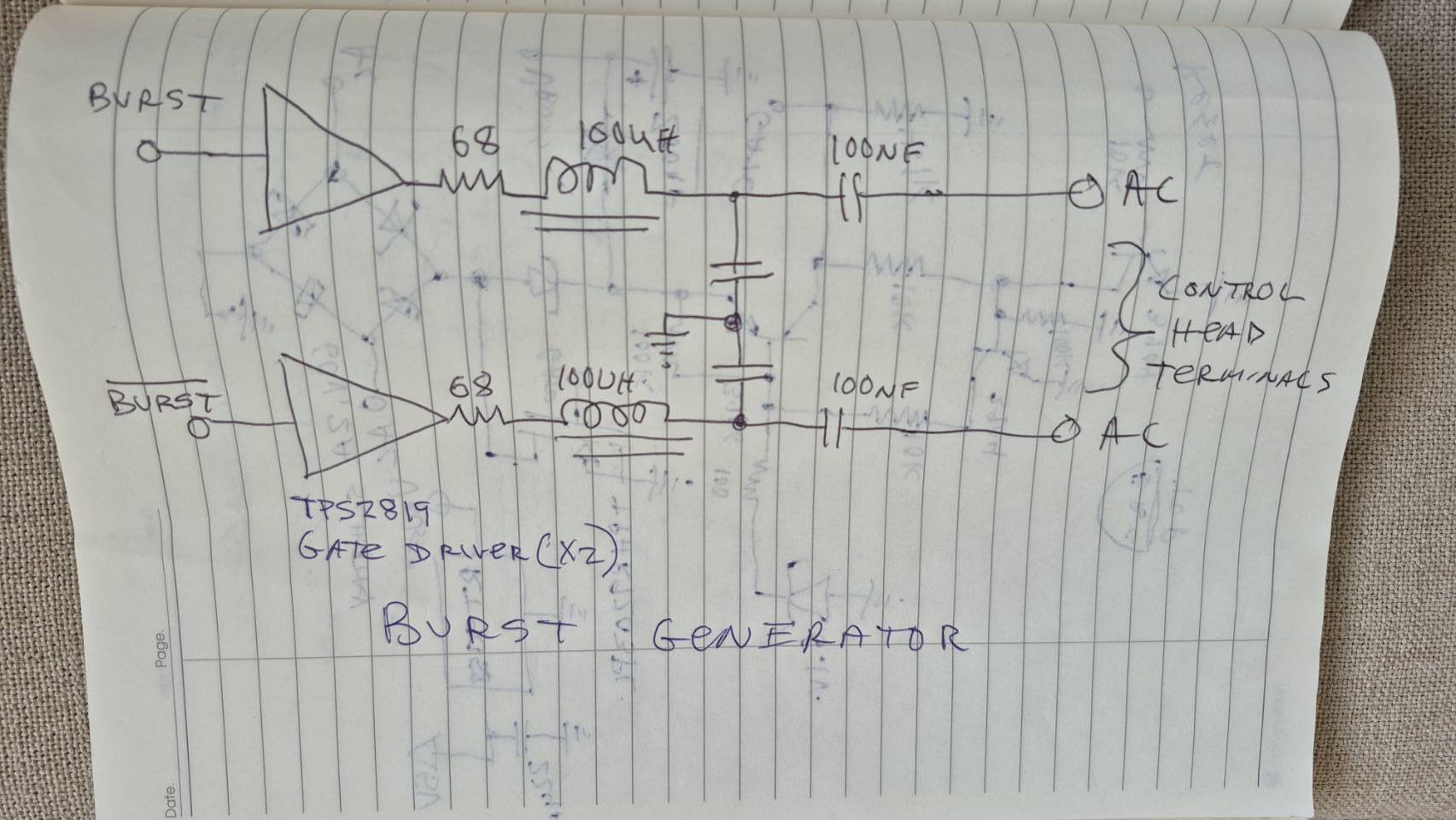
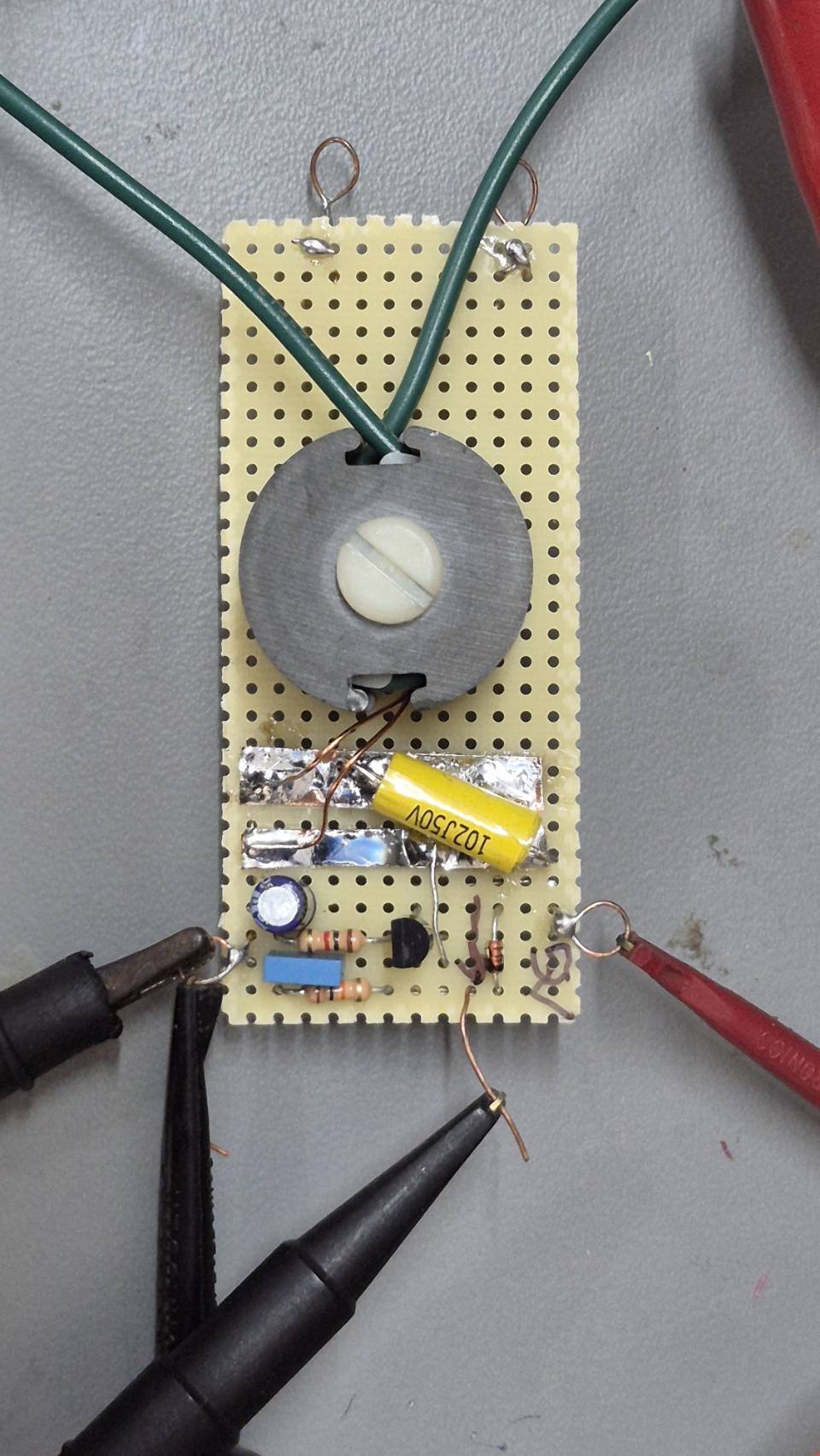
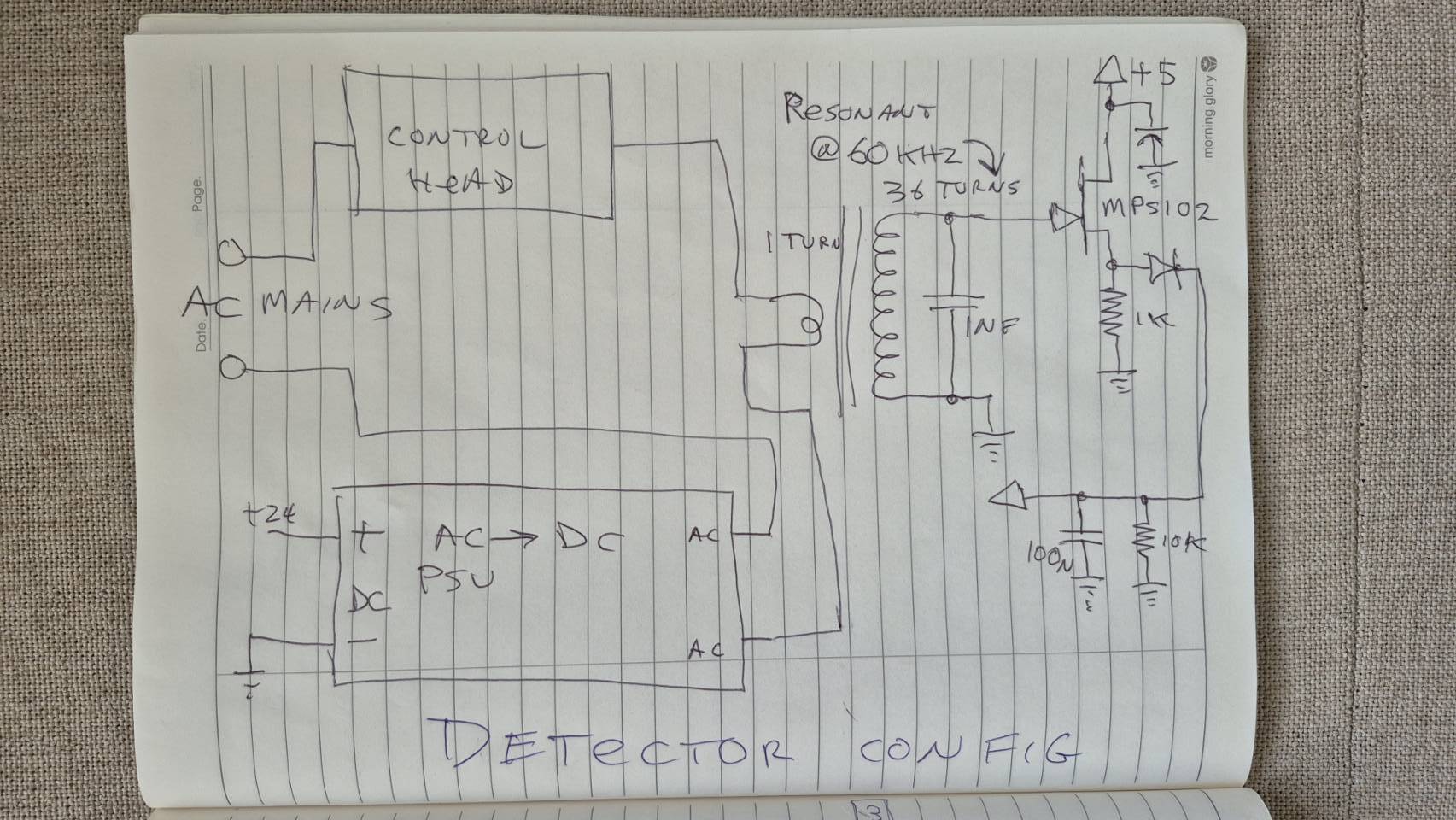
An isolated zero-crossing detector monitors the state of the incoming AC line, when it detects a voltage drop-out, it changes to the next state. The PSU’s internal capacitors and the hold-up capacitor should keep the board alive for at least 3-4 seconds after the power fails.
When you power this up cold, the unit immediately lights the LED’s to a low brightness via PWM, the brightness increases steadily over about 15 seconds to FULL-ON. If you flick the power switch on-off-on during the ramp-up period, it simply holds that last brightness level, if you do nothing, it just ramps to full brightness. turning it off again resets to the beginning.
This all sounds a little awkward, but I have a version of this working in my living room, it’s simple and easy once you get the hang of it.
(1) You can use the existing wiring and switches- no extra control wires are needed.
(2) It’s really cheap- you don’t need any bespoke dimmers or control boxes- besides this tiny simple board.
(3) Any person can always turn on the lights - even if they have no idea what is going on.
(4) No parasitic power is consumed- when it’s off - power consumption is ZERO.
I imagine this built into a little plastic box with terminal strips on each end:
2 terminals for the mains input, on the other side, 4 terminals- DC in and LED out.