I’m Pedro, a sound artist living in Ramsgate, England.
I’ve been a software engineer all my life, and I’m starting a PhD in Acoustic Ecology.
I have built kits and whatnot, and I remember Kirchhoff’s equations from uni. I’ve recently started wanting to do some bespoke stuff for my sound arts and environmental research work, and found @Leo_Fernekes’s youtube channel when looking for resources to learn. I have been following the fundamentals videos, which I’m finding super helpful - incredible generosity for which I am very grateful.
My long term plan is to design a board that captures the usual environmental data + sound, and streams it over the internet so that it can be used for remote monitoring of ecosystems. There are some off-the-shelf solutions but they are incredibly expensive and my research focuses on grassroots campaigns and citizen science, who don’t have that kind of budget. I’ve built prototypes using Raspberry Pis and Arduinos, but they’re power hungry and I want to deploy these in remote locations (and the cost of supporting components, HATs, boards and so on quickly reaches the hundreds).
While I have a lot to learn electronics-wise, I’m more than happy to collaborate and help however I can on the software side of things, if I have the time and energy - feel free to message me if you need any help on that front.
As a parting note, I volunteer at This Museum Is (Not) Obsolete, which is the best place to be if you’re learning about this stuff. If you’re ever in the UK you should definitely pay us a visit!
I’m in London. I did a bit with monitoring temperature in anaerobic digesters a few years ago and built some boards around Atmel’s AVR chips. I have an interest in sound too but not yet linked the two hobbies.
There’s a few people around in the UK. You might be interested in OSHUG ( https://oshug.org/ ) we’ve been a little quiet of late but the mailing list is active from time-to-time.
I’m also a follower of Look Mum No Computer’s Youtube channel and have been wanting to get down to the museum some time.
I’m happy to help with project where I can so post here and I (and I’m sure others) will get stuck in.
He recently posted a few vides about those electrostatic tone wheels, I found this fascinating.
I even got to the point of sketching out some AM demodulators… but I digress.
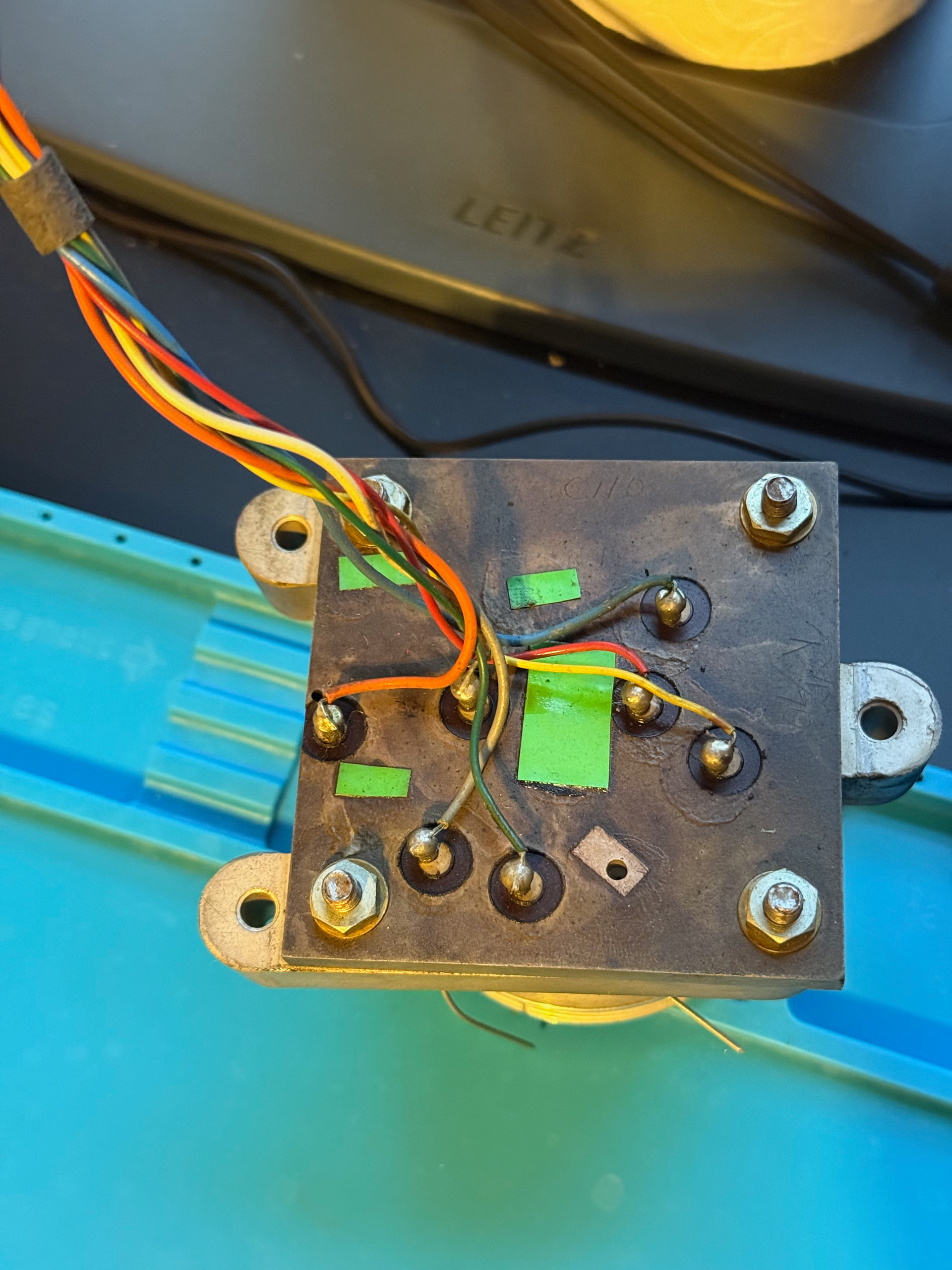
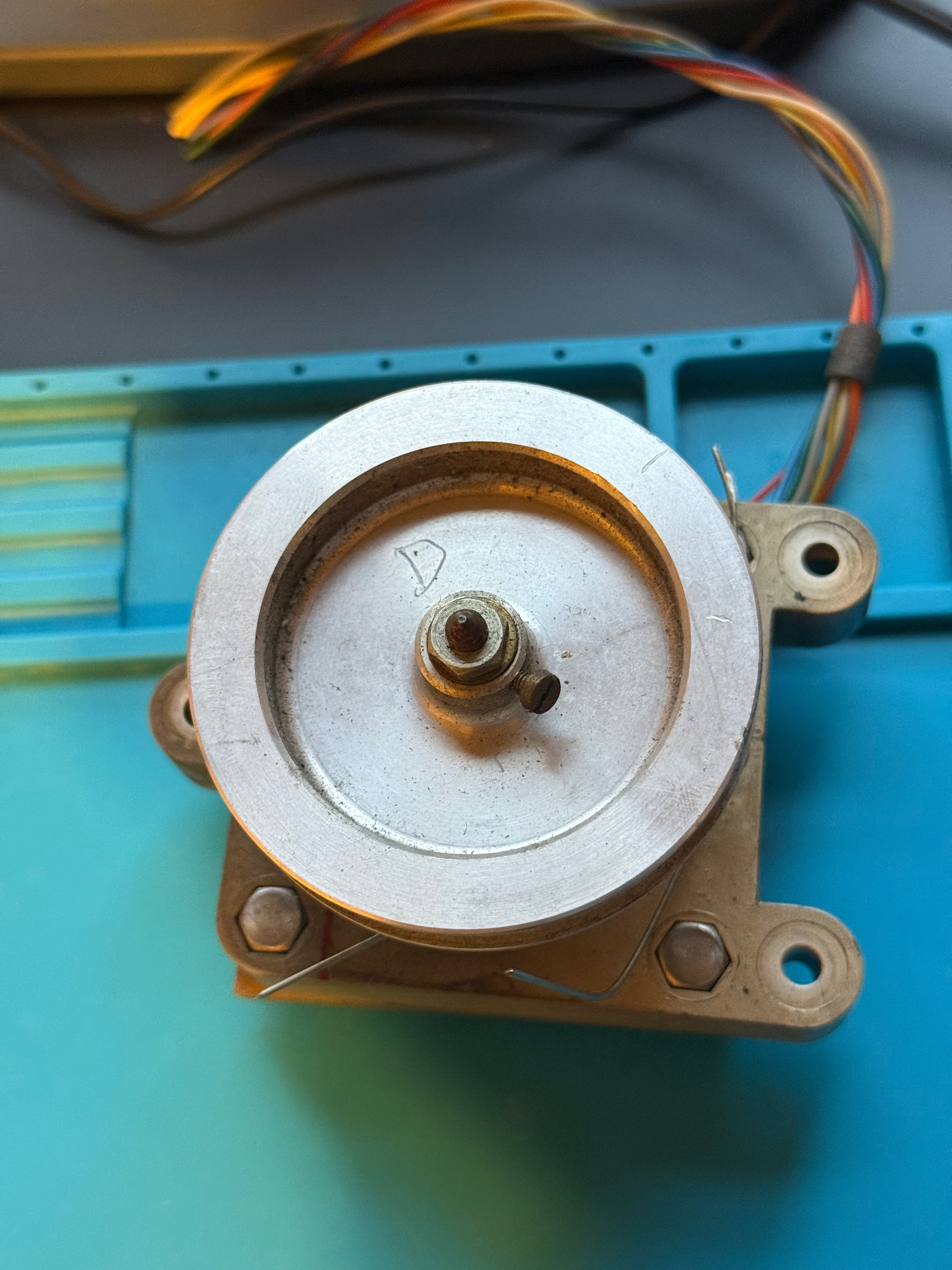
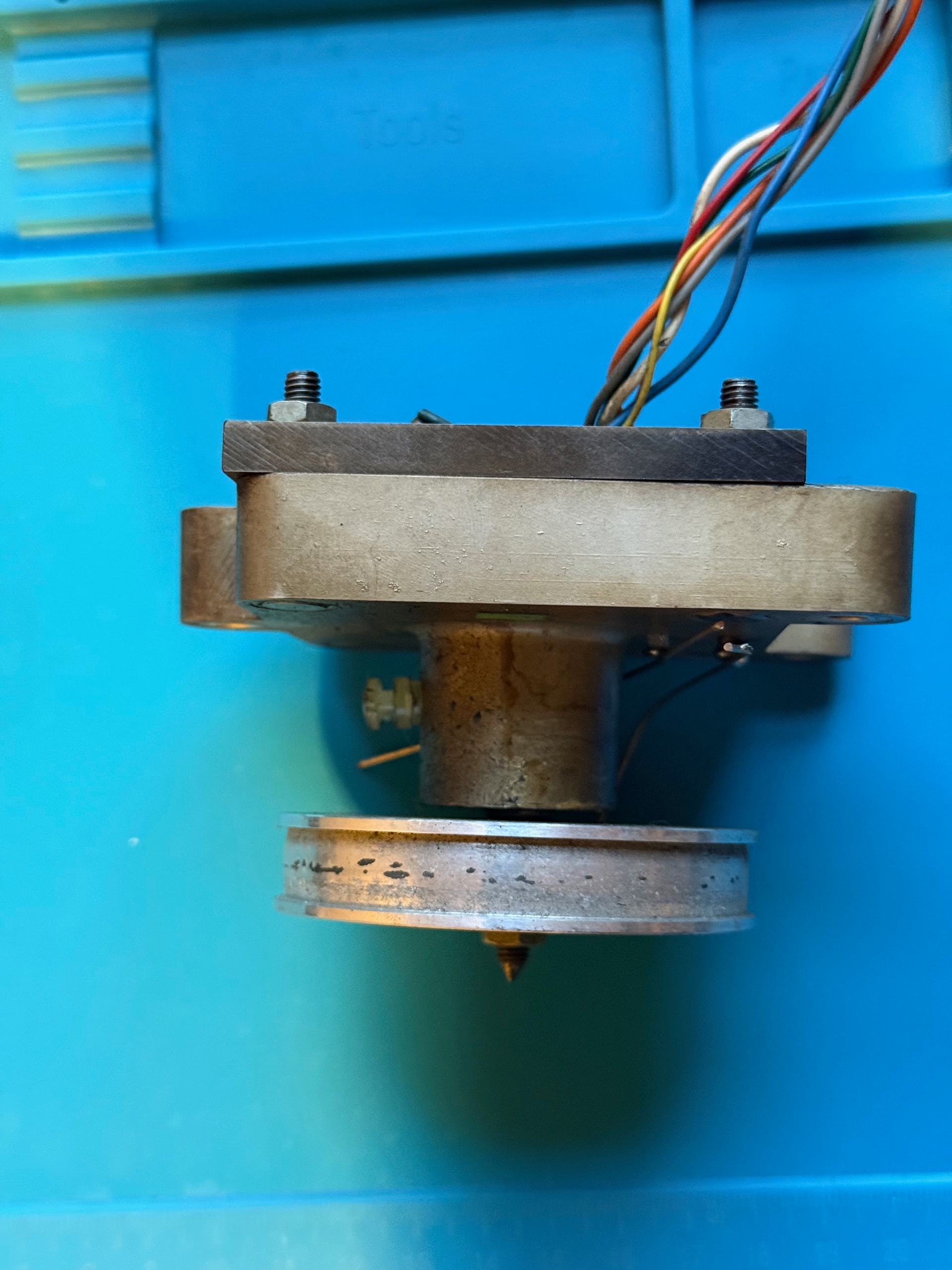
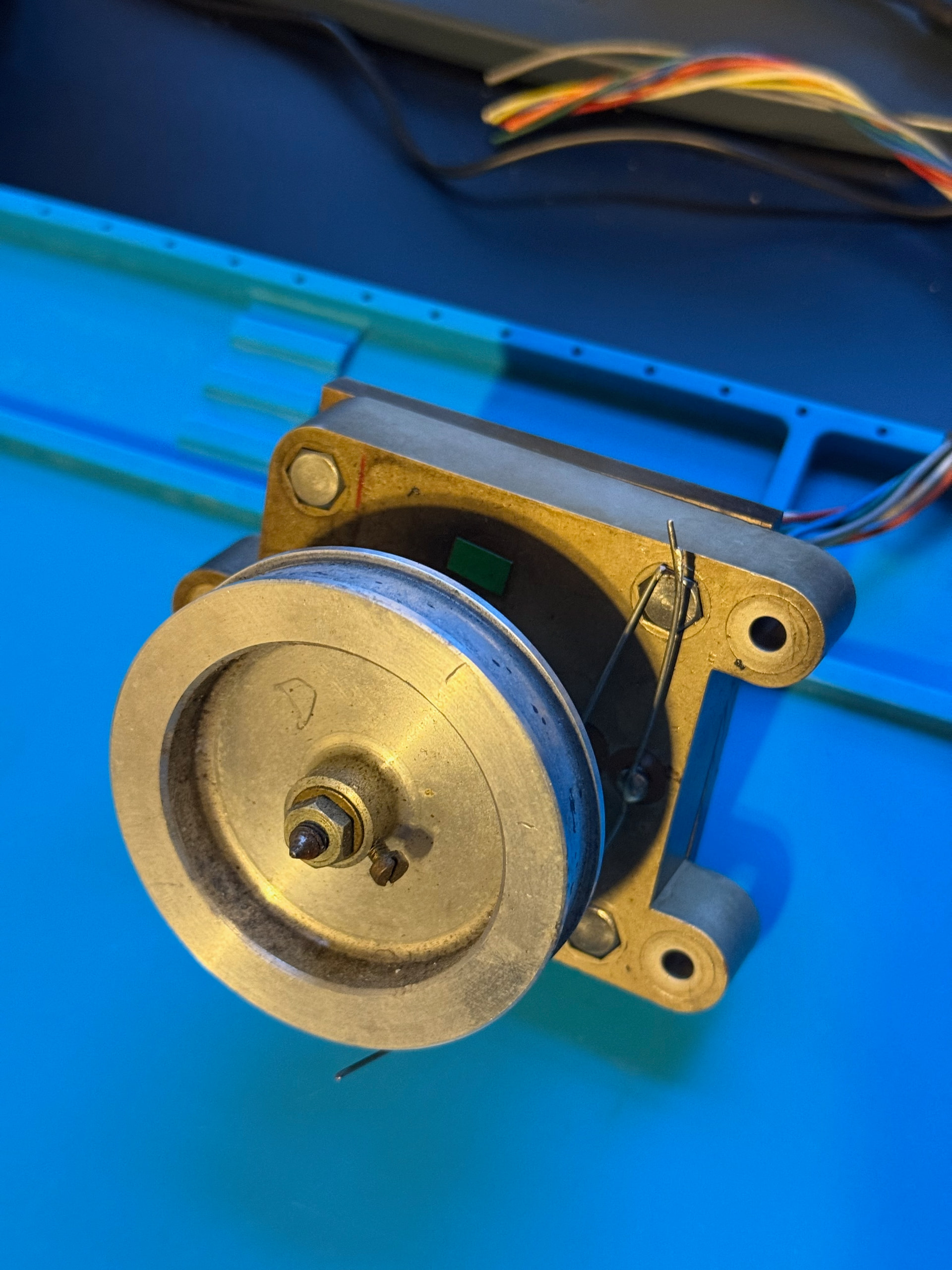
Those things are beautiful, even if the organ itself isn’t that interesting, to me (huge, power hungry, and really noisy). I have one of the tone wheels on my desk, to take apart and figure out.
Can you post some photos of the thing here?
It seems that it would not be too hard to redesign it into a few PCB’s
with all the electronics needed baked in.
My understanding is that it’s a series of variable capacitors with one common plate that is etched with a pattern, and a bunch of concentric stator electrodes that have the sinusoid shapes at harmonic intervals?
It’s still probably easier to emulate it with an MCU and a very high resolution encoder.
Ahh but that’s not fun!
Yes, the philosophy at the museum is to restore or repair the originals if possible, and make them usable by visitors (which inevitably mean they’ll break again!). So the extent of any modifications tends to be just MIDIfying things, typically with an Arduino and some adapter circuitry as might be required.
Some photos of the tone wheel, I’ll make sure to continue documenting it as I take it apart!
Do I understand correctly that the high voltage bias gets applied to the rotor via the center contact that is shaped like a cone point? I have seen photos of the whole machine, and every tone wheel has that spring contact over this cone point.